Candle Making Learning Center
Browse our vast selection of candle-making articles and how-to guides, from beginner basics to expert techniques. Every one is backed by the exact temperatures, weights, and tested specs we'd give you over the phone.
Wick and Jar Guides
Size the wick to the vessel, plan a multi-wick layout, and pick a jar that takes the heat.

Guide to Wicking
Our wick-sizing charts: the fastest way to get a full melt pool without tunneling or sooting. Read the guide
Choosing Candle Wicks
The wick families, how each burns, and how to match one to your wax and vessel.
Using Multiple Wicks in a Candle
Wick placement maps for wide vessels that one wick cannot heat evenly.
Guide to Candle Jars
Choosing a vessel by size, shape, and heat tolerance, with the guidelines that keep glass safe.Fragrance Oil Guides
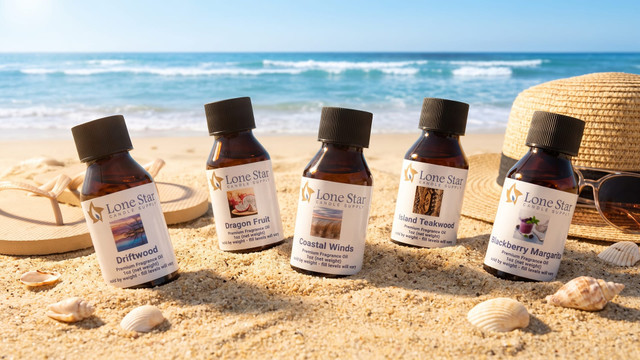
How to load, blend, and document fragrance, plus the reference data on flash point, vanillin, and phthalates that every batch depends on.

Scent Guide
Why candles smell weak and how to fix it: fragrance load, pour temperature, cure time, and how to blend your own scent. Read the guide
Essential Oils vs. Fragrance Oils
How the two differ, how each behaves in hot wax, and why candle suppliers carry fragrance oils.
Fragrance Oil Calculators
Work out the exact fragrance weight for any batch of wax or melt-and-pour soap.
Gel-Safe Fragrance Oils
Which oils clear the flash point most candle gel manufacturers ask for.
Phthalate-Free Fragrance Oils
Our large phthalate-free selection, so you can label a product line to your preferences.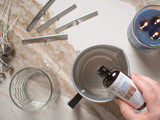
Fragrance Oils FAQ
How much fragrance per pound, shelf life, double-scenting, and the questions makers ask most.
Fragrance Recipes
Tested blends built from two or more of our oils, organized by season and theme.
Fragrance Oil Flash Point
What flash point means, why it matters for gel candles, and how to read it on a product page.
Vanillin Content
How vanillin discolors wax to amber, the difference from ethyl vanillin, and where to find each oil's percentage.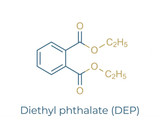
Phthalates & DEP
What the phthalate family of compounds is, where regulators stand, and what our oils contain.Getting Started & Going Pro
The orientation, safety, and reference guides that sit underneath every project, from a first jar to a candle business.

Do's & Don'ts of Candle Making
The mistakes we see most often, and the habits that prevent them.
Glossary of Terms
Throw, cure, relief hole, frosting: the candle-making vocabulary decoded.
Before You Make Your First Candle
What a first batch involves, and how to set yourself up to succeed.
Candle Making Safety Tips
Working safely with hot wax, fragrance, and an open flame.
Starting Your Own Candle Business
Pricing, testing, labeling, and sourcing for makers turning a craft into a product line.Wax Guides
Wax sets the burn, the scent throw, and the finish. Compare the families, then pick the wax that fits the project.

Soy vs. Paraffin
How they compare on burn, throw, finish, and cost, grounded in tested data.
Heating & Pouring Wax
Double-boiler melting, target temperatures, and clean pours without frosting or sinkholes.
Candle Waxes & Additives Guide
Every wax type we carry, what each is for, and the additives we have available.
Choosing a Soy Wax
How the soy and soy-blend waxes differ, and which one suits containers, melts, or a clean natural label.
Choosing a Paraffin Wax
Container, pillar, and votive paraffins by melt point, and what each one does best.Candle Dye Guides
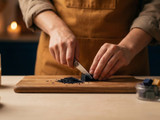
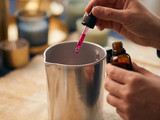
Color sets the look of a finished candle. We stock two dye formats, and each behaves differently in wax. The liquid dye guide covers drops-per-pound dosing and even mixing; the dye block guide covers shaving and melting solid blocks for deeper, more saturated color.
Soap Making Guides
Melt-and-pour soap uses the same fragrance and color skills with a different base. Start with these projects, then see the full library.
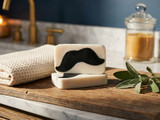
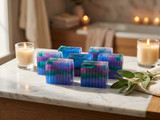
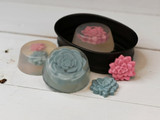
For every soap project we carry, see the full Melt & Pour Soap Recipes library.
Shop the Supplies
Every project here builds on the same catalog. Browse candle making supplies for wax, wicks, jars, dyes, and equipment, the full range of fragrance oils with tested flash points and note breakdowns on every listing, and wholesale candle supplies for production pricing. New to the craft? The Step by Step Guides library is the place to begin.
Frequently Asked Questions
Where do I start if I have never made a candle?
Start with the step-by-step tutorials and the first-candle orientation guide. A container candle is the easiest first project: the jar does the structural work a mold would, the wax forgives small temperature misses, and the supply list is short. Most makers pour a usable candle on their first afternoon.
What do I need to learn to make candles well?
Four skills carry every project: preparing wax (measuring, melting, scenting, coloring), sizing the wick to the vessel, loading fragrance correctly, and curing before the first burn. The wax, fragrance, wick, and dye guides here each cover one of those skills in depth, and every step-by-step tutorial puts them together for a specific project.
Does Lone Star sell the supplies these guides use?
Yes. Each guide links the individual supplies its project calls for, so you can stock exactly what you need. Browse wax, wicks, fragrance oils, dyes, jars, and equipment in the candle making supplies catalog, with wholesale pricing available for production makers.
Are these guides for beginners or experienced makers?
Both. The getting-started guides set expectations for a first batch, the project tutorials run from beginner container candles to advanced pillars and wax cupcakes, and the reference guides (flash point, vanillin, phthalates, wick sizing) carry the tested data experienced makers and small businesses rely on.