
A melt-and-pour shaving soap is the friendly way into shaving bars: there is no lye to handle and no long cure to wait out. You melt a finished soap base, work in the two ingredients that make it a shaving soap, and pour. The base does the cleaning, the kaolin clay adds the slip a razor needs, and glycerin keeps the bar from drying out skin. This recipe uses a butter-rich base for a creamy lather and adds optional charcoal moustache embeds for a bar that looks the part.
The FDA reserves the word soap for products whose cleaning action comes from the alkali salts of fatty acids, the material formed when fats or oils combine with an alkali such as lye[1]. A melt-and-pour base arrives already saponified, so you get true soap without measuring lye yourself.
What You'll Need
What You'll Need
Check items off as you gather them
Supplies
-
Butter-Rich M&P Soap Base about 35 oz; the Stephenson Triple Butter base gives a creamy, conditioning lather. Browse the full melt and pour soap bases selection
-
Kaolin Clay 2 tablespoons; the slip-and-lather ingredient
-
Vegetable Glycerine 1 tablespoon; loosens the clay and conditions skin
-
Soap-Safe Fragrance Oil about 1 oz; over 275 fragrance oils list soap compatibility on the product page
-
Rubbing Alcohol in a spray bottle, to pop surface bubbles and bond layers
-
Clear M&P Soap Base optional about 18 oz for the moustache embeds (Stephenson Standard Transparent M&P Soap Base)
-
Cosmetic-Grade Charcoal optional 3 tablespoons, to color the embeds
Tools & Equipment
-
Soap Bar Mold a silicone bar mold releases cleanly (silicone molds)
-
Microwave-Safe Container for melting the base in short bursts
-
Knife or Soap Cutter and Cutting Board to cube the base
-
Stirring Utensil a spatula, whisk, or spoon
-
Moustache Cookie Cutter optional to cut the charcoal embeds
Skip ahead to the step-by-step guide
Why Kaolin Clay and Glycerin
A plain soap base lathers, but it does not glide. The two additions below are what turn it into a shaving bar, and they are the difference makers in any melt-and-pour shaving soap recipe.
The Two Shaving-Soap Ingredients
Kaolin Clay
A fine hydrated aluminum silicate that adds slip so the razor glides instead of dragging, and gives the lather more body. It also lightly absorbs excess oil from skin[2]. Two tablespoons per pound or two of base is plenty.
Glycerin
A humectant that draws and holds moisture against skin, so the bar cleans without feeling stripping[3]. It doubles as the carrier that loosens the clay into a smooth paste, so the clay disperses evenly instead of clumping.
The Step-by-Step Process
The recipe pours in two parts: first the charcoal embeds, then the butter base around them. If you are skipping the moustaches, jump to the butter base at step 5 and pour a plain bar.
How to Make Melt & Pour Shaving Soap
-
1
Melt the clear base for the embeds
Cube about 18 oz of clear soap base and melt it in a microwave-safe container, heating in short bursts until fully liquid. Adjust the amount to your mold size.

-
2
Mix the charcoal colorant
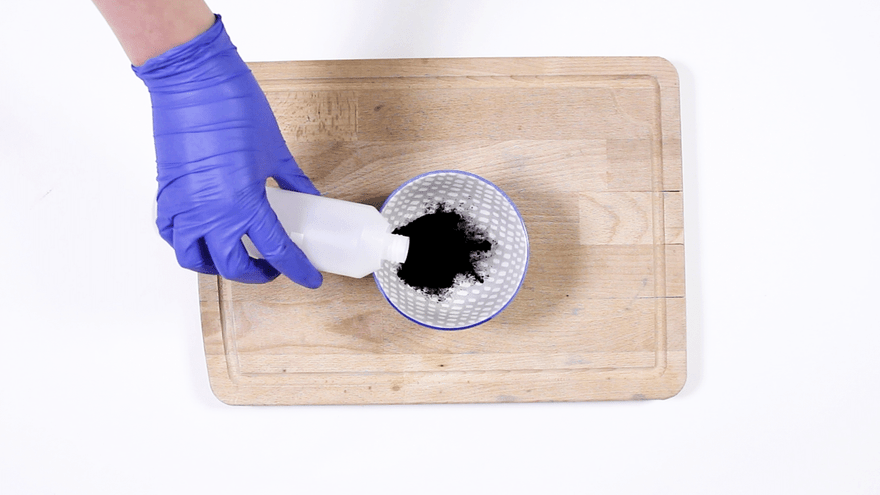
Stir 3 tablespoons of cosmetic-grade charcoal into 1 tablespoon of rubbing alcohol until smooth. The alcohol wets the powder so it disperses without clumps.
-
3
Color the clear base
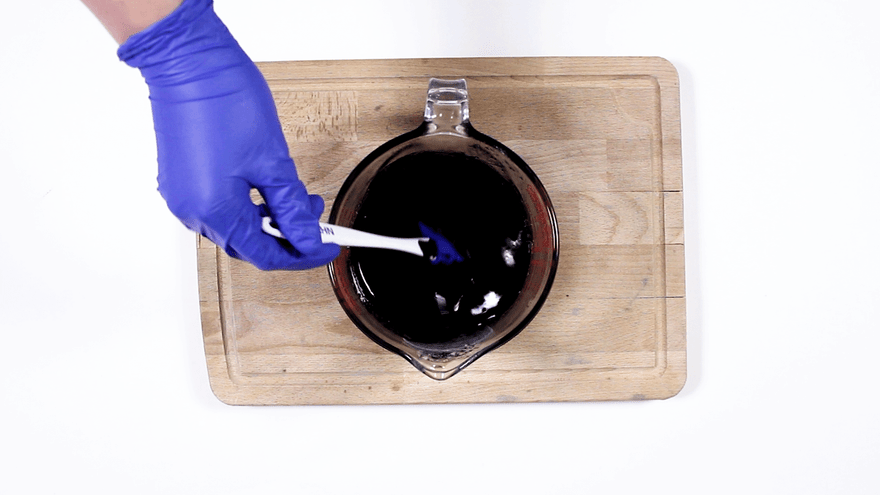
Stir the charcoal paste into the melted clear base until the color is even and fully black.
-
4
Pour a thin embed slab
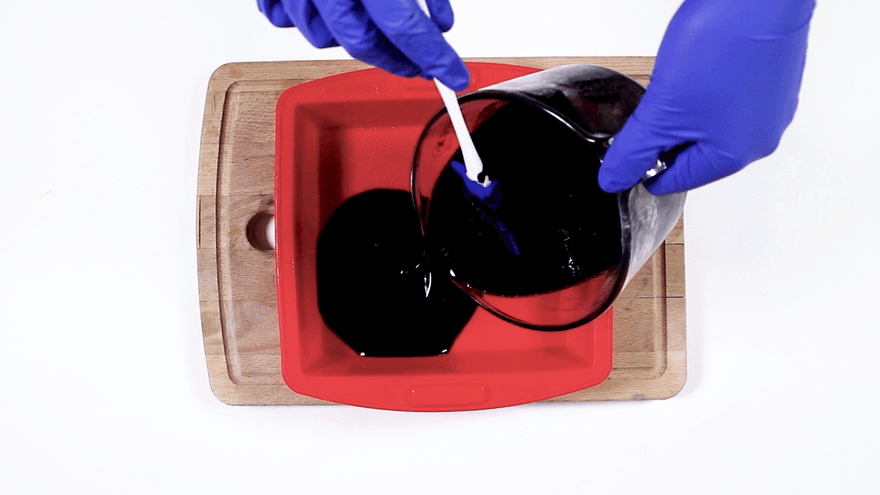
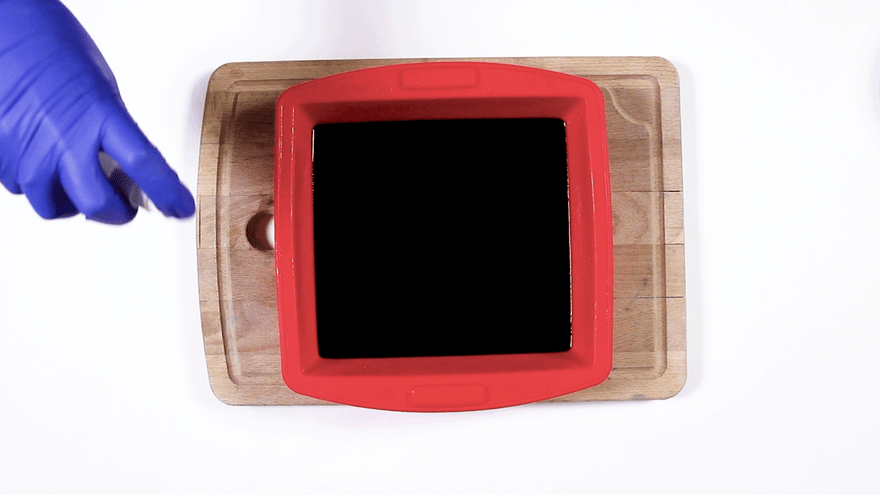
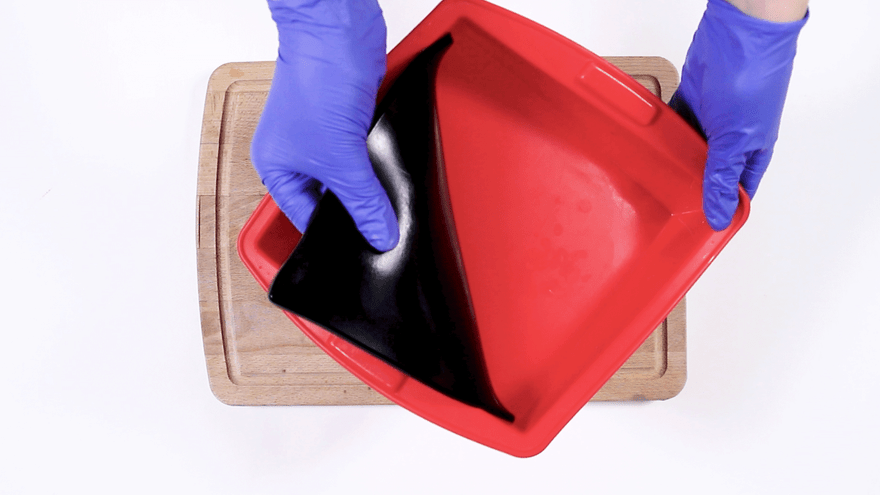
Spray a flat silicone mold with rubbing alcohol, pour the black base about a quarter inch deep, spray the surface again to clear bubbles, and leave it to set for about half an hour.
-
5
Melt the butter base
While the slab sets, cube about 35 oz of the butter-rich base and melt it in short bursts, stirring between each, until completely liquid.

-
6
Make the clay-and-glycerin paste
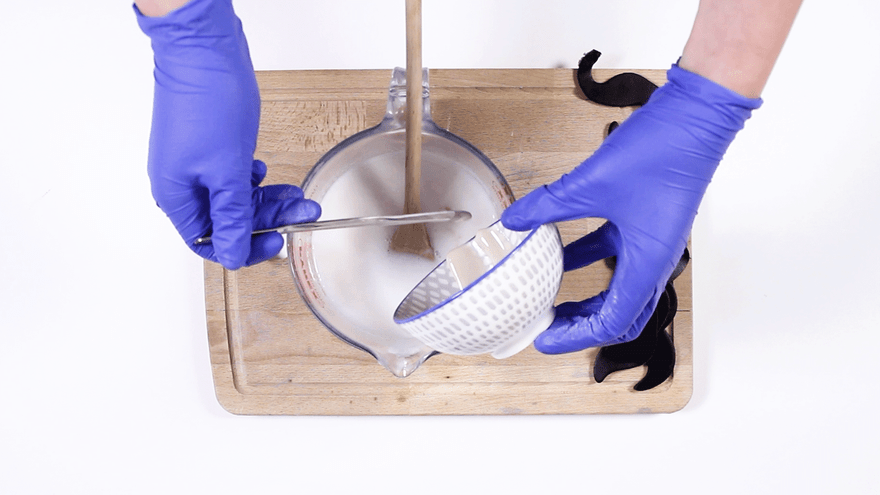
Stir 2 tablespoons of kaolin clay into 1 tablespoon of glycerin until you have a smooth, lump-free paste. Mixing the clay into the glycerin first keeps it from clumping in the melted base.

-
7
Cut the moustache embeds
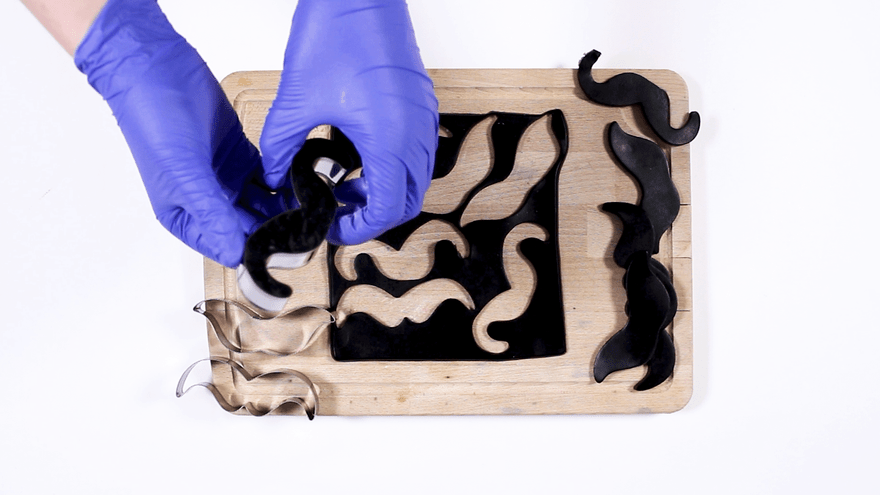
Once the black slab is set but still slightly soft, flex it out of the mold and press out moustache shapes with the cookie cutters. Set the embeds aside.
-
8
Scent and clay the butter base
Stir the clay-and-glycerin paste and about 1 oz of soap-safe fragrance oil into the melted butter base. Let the base cool toward setting before adding fragrance so less scent is lost to heat. It is safe to add fragrance to warm base; the precaution is keeping the oil away from open flames[4].
-
9
Pour the bar base
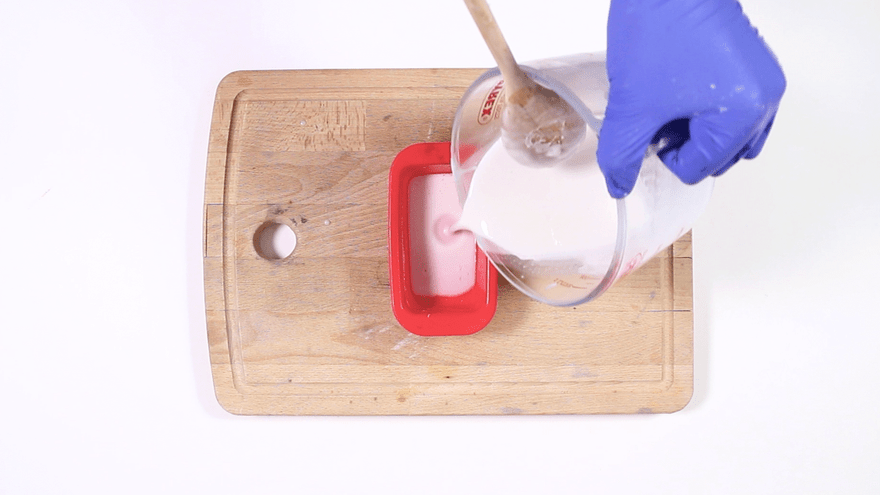
Spray the bar mold with rubbing alcohol, fill it about three-quarters full with the butter base, spray the surface again, and let it set for about an hour.
-
10
Set the embed and top off
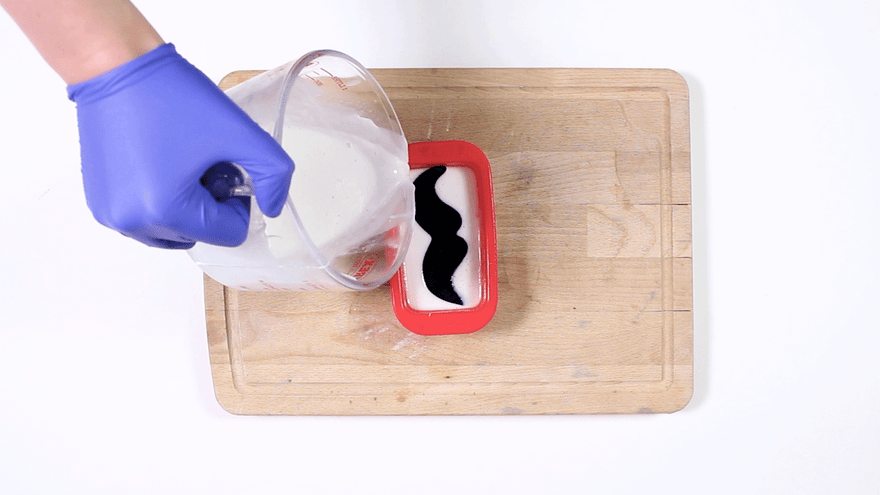
Once that layer is set, spray it with rubbing alcohol and lay a moustache embed on top. Pour a thin layer of butter base around the embed, taking care not to bury it, then spray once more and let the bar set completely.

Curing, Wrapping, and Using
Melt-and-pour bars firm up enough to unmold in a few hours, and they skip the long cure that cold-process soap needs. Give the bars a day or two to harden fully so they last longer in the shower, then wrap them once they are completely cool to limit the beads of glycerin dew that humid air pulls to the surface.
To shave, wet the bar and a shaving brush, then load the brush by swirling it across the soap until it builds a lather. The kaolin clay carries that lather into a slick cushion the razor can glide over. When you want a different look or scent, the same method works with any butter or clear base from our melt and pour soap bases. For the plain melt-and-pour method without the clay and embeds, our How to Make Melt & Pour Hand Soap walks the basic bar from cube to unmold, and our Melt & Pour Soap Recipes collects more projects to try.